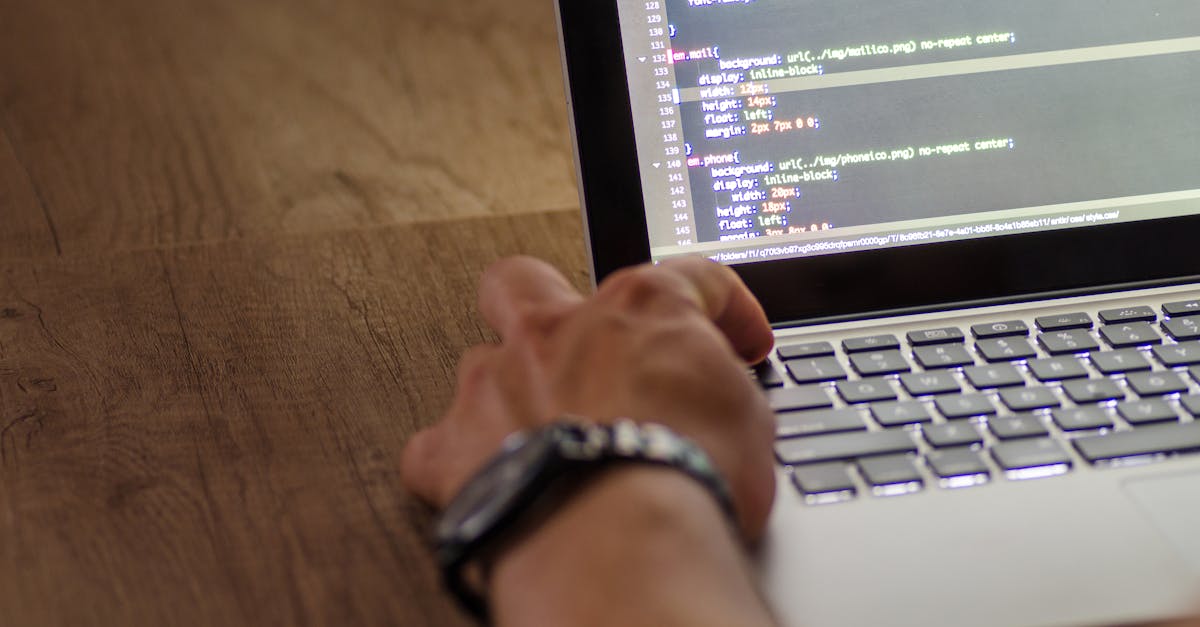
I Measured My Coding Time for a Month
I tracked every working hour for 30 days, expecting to learn I code a lot. The data said something far more uncomfortable about how I actually spend my day.
114 articles in this topic
I tracked every working hour for 30 days, expecting to learn I code a lot. The data said something far more uncomfortable about how I actually spend my day.
I stopped doing the busywork and let AI assistants run the boring half of my job for a month. The results were not what I bragged about on day one.
The pragmatic balance between purity and progress. When chasing perfect code becomes the thing that stops you from shipping.
The real multiplier is more learnable than talent. What actually separates the engineers who seem to do the work of ten — and why you can copy it.
The blinking cursor terrified me for years. The small mindset shift that turned the terminal from scary into my favorite tool.
I used to optimize code that ran twice a year. Letting go of premature performance work made me a faster, happier engineer.
Most of programming is reading, not writing. The shift in how I read other people's code is the most underrated skill I ever picked up.
I spent years thinking I didn't have time to write tests. The one small habit that changed my mind cost almost nothing and saved everything.
For years I debugged by guessing and got lucky. Then I learned one method that finds bugs in minutes instead of hours — without changing random things and praying.
It wasn't a new framework, a faster machine, or working more hours. One unglamorous habit roughly doubled what I ship. Here it is.
I pay for a dozen AI tools. Only three are so good I'd pay twice the price tomorrow without blinking. Here's what makes them different.
From 20 open tabs to one structured brief — the research workflow that cut my prep time without dumbing down the depth.