

AI assistants promise to save you time, and sometimes they genuinely do. But sometimes they quietly do the opposite — creating output you have to verify, fix, or redo, so the "time saved" evaporates into time spent cleaning up. The worst part is it feels productive either way.
Whether an AI assistant actually saves time is measurable, but almost nobody measures it. They go on the feeling. Here's how to tell the real difference.
An AI assistant truly saves time only when the time it saves exceeds the time it costs — including verification, correction, and rework.
The hidden costs people ignore:
Net time saved = time saved − all those costs. Often it's positive. Sometimes it's not. The only way to know is to account honestly.
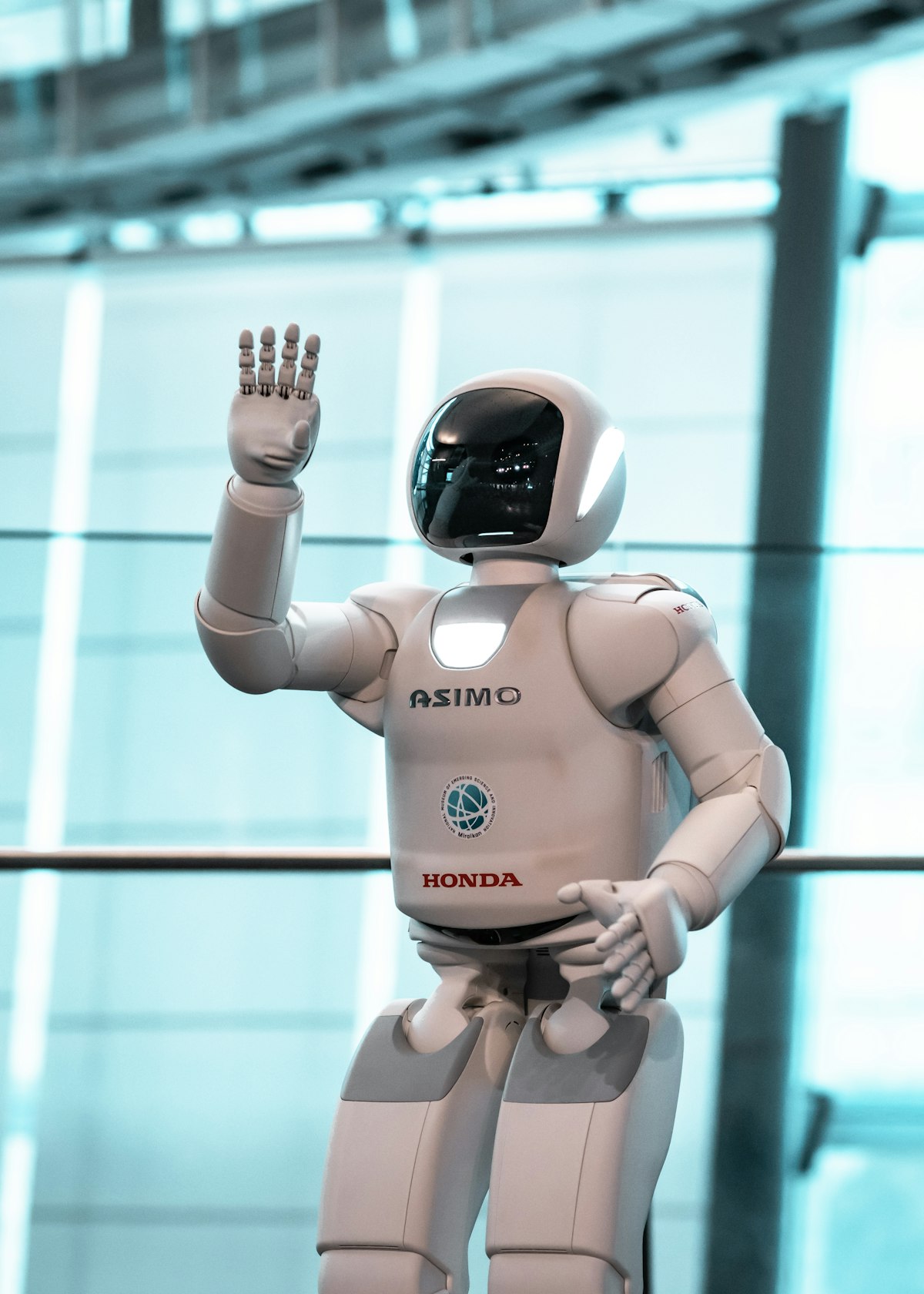
Using an AI assistant feels productive. You type a request, output appears instantly, and you experience the rush of having "done" something fast. That feeling is real — and it's exactly what makes the time question hard to answer honestly.
The feeling measures speed of output, not net time saved. If the instant output then needs ten minutes of verification and fixing, you haven't saved the time you felt you saved. But the emotional accounting only logged the fast part. This illusion is why people swear their AI assistant saves them hours while their actual throughput hasn't changed — they're feeling the speed, not measuring the net.
To know if an assistant saves time, you have to count what it costs, not just what it produces:
| Cost | What it is |
|---|---|
| Prompting | Effort to phrase the request well enough |
| Verification | Checking if the output is correct |
| Correction | Fixing the parts it got wrong |
| Rework | Redoing tasks it did poorly |
| Context-switching | Shifting between doing and reviewing |
For tasks where the output is easy to verify and usually right, these costs are small and the assistant clearly saves time. For tasks where verifying correctness is as hard as doing the work, or where the output is often subtly wrong, these costs can swamp the savings. The assistant produced fast output, but you spent the saved time checking and fixing it.
The most insidious cost is verification, because of a specific trap: for some tasks, verifying the answer is as hard as producing it. If the AI generates something and the only way to know it's right is to essentially do the work yourself, you've saved nothing — you've added a step.
This is especially true for tasks where errors are subtle and consequences matter. The AI confidently produces something plausible; catching the subtle flaw requires the same expertise and effort as creating it correctly. This connects to the broader point about AI coding tools: output you can't easily verify isn't a time saver — it's a liability dressed as productivity. The assistant saves real time only when verification is genuinely cheaper than creation.
Done honestly, the accounting reveals where assistants truly help:
In these cases, the time saved genuinely exceeds the costs, and the assistant is a real force multiplier. The skill is directing your AI assistant at the tasks where the math works — and being honest about the tasks where it doesn't.
To replace the feeling with the truth:
This is the same discipline as avoiding vanity metrics: measure the outcome that matters (net time saved), not the satisfying-but-misleading proxy (output speed).
Q: My AI assistant feels like it saves tons of time — could I be wrong? Possibly — the feeling measures output speed, not net time saved after verification and fixing. The only way to know is to honestly track total time including all the cleanup costs and compare to doing it yourself. Many people find the net savings are real but smaller than the feeling, and negative for some tasks.
Q: Which tasks are safest to hand to an AI assistant? Tasks where the output is easy to verify, errors are low-stakes, and you'd be doing the work anyway — drafting, summarizing, reformatting. There, the savings clearly exceed the costs. Be cautious with tasks where verifying correctness is as hard as doing the work or where subtle errors carry real consequences.
Q: Isn't any time saved still a win? Only if it's net time saved after verification, correction, and rework. Fast output that you then spend longer checking and fixing isn't a win — it can be a net loss disguised by the feeling of speed. The win is real only when the full accounting comes out positive.
An AI assistant saves time only when the time it saves exceeds the time it costs — verification, correction, rework, and prompting included. The feeling of productivity measures output speed, not net savings, which is why people overestimate the benefit. The verification trap is the killer: when checking the output is as hard as producing it, you've saved nothing.
Stop trusting the feeling and account honestly — track total time, watch the verification cost, and notice rework. Direct your assistant at tasks where the math genuinely works, and do the rest yourself. Used where it nets positive, an AI assistant is a real force multiplier; used everywhere on faith, it's productivity theater.
I spent years saving the hardest task for when I 'felt ready.' Doing it first instead quietly fixed my focus, my dread, and my output.

I tracked every distraction for a week and was horrified by what I found. Then I fixed the three that mattered most.

I went from 200 to 11,000 subscribers without hiring anyone. AI didn't write my newsletter — it did everything around it.





Comments
Sign in to join the conversation
No comments yet. Be the first to share your thoughts!