

AI can now write working code faster than you can type the comment describing it. To some engineers, this is the greatest productivity unlock in a generation. To others, it's the slow death of real engineering skill — a generation of developers who can prompt but can't actually code.
Both are right, and which one you become is entirely up to you. AI coding tools are an amplifier and an accelerator, and the same tool can make you dramatically better or quietly worse. Here's the difference.
AI coding tools make you better when you use them to amplify your judgment and accelerate work you understand — and worse when you use them to skip understanding entirely.
The tool amplifies what you bring. Bring judgment and it makes you faster; bring nothing and it makes you dependent.
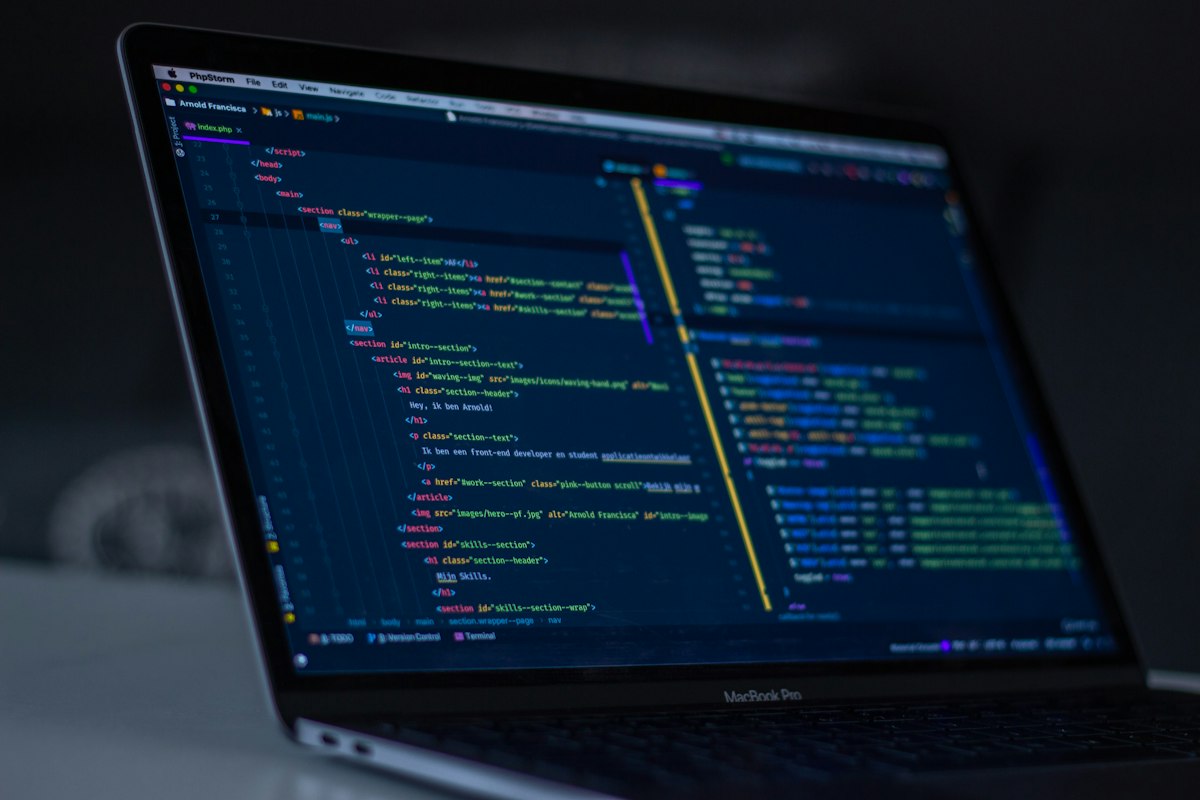
Used well, AI coding tools are a real and massive accelerator. They handle the tedious parts of engineering — boilerplate, repetitive patterns, syntax you'd have to look up — freeing your attention for the parts that actually require thought.
They let you explore multiple approaches quickly, prototype faster, and spend your mental energy on architecture and hard problems instead of mechanical typing. For an engineer who knows what they're doing, AI is like having a fast junior who handles the grunt work while you focus on the judgment calls. This is the optimistic case, and it's genuinely true — for those who use it as an amplifier of existing skill.
The pessimistic case is also real. If you let AI write code you don't understand and ship it without comprehension, you never build the skill the code represents. Do this consistently and you become a person who can prompt but can't actually engineer — fine until you hit a problem the AI can't solve, at which point you're helpless.
There's a deeper version too: skills you don't practice atrophy. An engineer who lets AI handle all the thinking gradually loses the ability to think through problems themselves. The risk isn't that AI is bad — it's that outsourcing your understanding erodes the very judgment that makes you valuable. The tool can quietly hollow out your skill if you let it.
What separates "better" from "worse" is a single thing: do you understand the code?
| Makes you better | Makes you worse |
|---|---|
| You understand what AI generated | You ship code you can't explain |
| You'd be able to write it yourself | You couldn't without the AI |
| You study generated solutions to learn | You copy without reading |
| AI accelerates skill you have | AI replaces skill you lack |
| You stay in control of decisions | The AI makes decisions you can't judge |
If you understand the code AI writes — could have written it yourself, just slower — then AI is pure acceleration. If you're shipping things you couldn't produce or even fully explain, you're building dependence, not skill. The line is understanding, and you know which side you're on.
To make AI coding tools grow your skill rather than erode it:
Used this way, AI tools — including an AI app builder or vibe-coding workflow — accelerate your output while your skill keeps growing. The key is that you stay the engineer; the AI stays the tool.
The engineers who thrive won't be the ones who refuse AI tools, nor the ones who let AI do their thinking. They'll be the ones who use AI to amplify genuine skill — moving faster on what they already understand, while continuing to deepen their judgment on the hard problems.
The skill that matters increasingly isn't typing code (AI does that); it's judgment — knowing what to build, evaluating whether generated code is correct, making architectural decisions, understanding trade-offs. AI handles the mechanical; humans bring the judgment. Cultivate the judgment and AI makes you formidable. Outsource the judgment and AI makes you replaceable. That's the whole game.
Q: Should junior engineers avoid AI tools until they've built skills? Not avoid, but use deliberately — juniors should study what AI generates and ensure they understand it, not just ship it blindly. AI can actually accelerate learning if used as a tutor you interrogate. The danger for juniors is skipping understanding; the opportunity is learning from good examples faster.
Q: Isn't shipping working code all that matters, even if I don't fully understand it? Until it breaks, or needs changing, or the AI gets it subtly wrong — then your lack of understanding becomes a serious liability. You own the code you ship regardless of who wrote it. Understanding is what lets you maintain, debug, and trust your own product.
Q: Will AI eventually make engineering judgment unnecessary too? Not in any foreseeable form — judgment about what to build, what's correct, and what trade-offs to make remains a human responsibility, and AI's confident errors make that judgment more important, not less. The mechanical work is being automated; the thinking is becoming the differentiator.
AI coding tools make you a better engineer or a worse one depending entirely on one thing: whether you understand the code. Use them to amplify skill you have — offloading grunt work, exploring faster, learning from good output — and they're a massive accelerator. Use them to skip understanding and ship what you can't explain, and they quietly erode the judgment that makes you valuable.
Set one rule for yourself: never ship code you can't explain. Let AI accelerate everything you understand, and keep practicing the hard thinking it can't replace. Used that way, AI makes you faster and better — which is exactly the engineer worth being.
I went from 200 to 11,000 subscribers without hiring anyone. AI didn't write my newsletter — it did everything around it.

One person, output that looks like five. It isn't about working more hours — it's about a kind of leverage teams rarely have.

One idea a week to a published issue in under an hour. The boring system behind a newsletter I never dread sending.





Comments
Sign in to join the conversation
No comments yet. Be the first to share your thoughts!