
For most of my twenties I had a simple operating system: do the thing when I feel like doing the thing. The problem is obvious in hindsight. I almost never felt like doing the thing.
So I'd wait. I'd consume motivational content to manufacture the feeling. It worked for a day, sometimes two, and then I'd be back to waiting. I mistook my lack of motivation for a lack of willpower, when really I'd just hired the worst possible employee to run my life.
That employee was motivation. Here's why I fired it.
Discipline beats motivation because motivation is a feeling, and feelings are unreliable, while discipline is a system that runs whether you feel like it or not. The fix isn't to become more motivated — it's to need motivation less, by lowering the bar, removing decisions, and building tiny non-negotiable actions that survive your worst days. Stop waiting to feel like it. Start making "feeling like it" irrelevant.
Motivation gets you started. Systems get you through the 90% where motivation has already left the room.
Think about what you actually want from motivation: show up every day, do the work regardless of mood, stay consistent for years. Now look at what motivation actually delivers: shows up unpredictably, vanishes the moment things get hard, and is strongest exactly when you need it least.
You can't build anything serious on a resource that disappears on bad days, busy days, tired days, and sad days — which, if you're honest, is most days. Motivation is real, but it's a guest, not a foundation.
The cruel joke is that the most motivational moments are usually the least productive ones. We feel the most inspired right after consuming someone else's success story — and that borrowed high evaporates the second real, boring work begins.
Here's the reframe that changed everything for me. I thought discipline meant forcing myself through misery with sheer willpower. White-knuckling it. Being hard on myself.
That's not discipline. That's just a different, more exhausting way of relying on a feeling — willpower instead of motivation. And willpower runs out just as fast.
Real discipline is mostly design. It's arranging your life so the right action is the easy, default, low-decision one. Disciplined people aren't grinding through superhuman effort. They've removed the moments where a decision could go wrong. They made the good behavior automatic so it doesn't depend on how they feel. That reframe — that discipline is a skill you build, not a trait you're born with — is the thing that quietly separates people who keep moving from the ones who stay stuck for years.
That's why disciplined people often seem so calm about it. They're not fighting themselves all day. They built a system that doesn't require a fight.
Here's what actually worked, in order of impact:
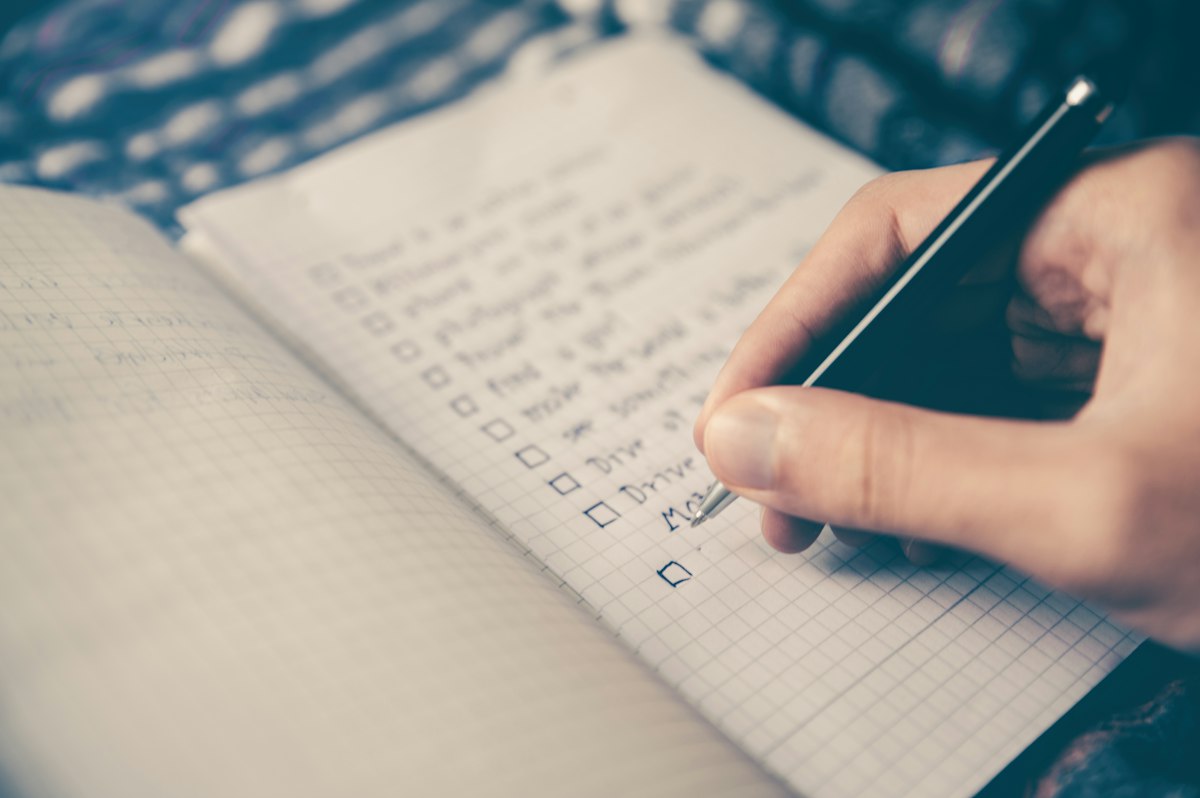
Lower the bar until it's stupid. I committed to absurdly small actions. Not "work out for an hour" but "put on the shoes." Not "write the article" but "write one ugly sentence." Tiny actions survive bad days, and they almost always lead to more once you've started. The goal is to never break the chain, not to be heroic. James Clear has written extensively about how tiny habits compound into outsized results, and my own experience matched it almost exactly.
Remove the decision. Every choice is a chance to choose wrong. So I made things automatic and scheduled. Same time, same place, no debate. When something is just "what I do at this time," motivation never gets a vote. I don't decide to do it any more than I decide to brush my teeth.
Make starting the only goal. The hardest part is always the first thirty seconds. So I stopped aiming to finish and started aiming only to begin. Once started, momentum usually carries me. And on the days it doesn't, I still did the tiny version, and the chain stayed alive.
| Approach | Depends on | Survives a bad day? |
|---|---|---|
| Motivation | A feeling that comes and goes | No |
| Willpower | A finite daily reserve | Barely |
| Discipline as design | A system and small defaults | Yes |

Here's how I now judge any habit or goal: what does it look like on my worst day?
A plan that only works when you're rested, inspired, and have a clear schedule isn't a plan. It's a fair-weather hope. Real life includes tired days, busy weeks, and stretches where you feel like garbage. A system has to keep breathing through those.
So I design for the bad day, not the good one. My minimum version of every important habit is something I could do while exhausted and demoralized. One sentence. One set. One small task. The good days take care of themselves — I'll naturally do more. The bad days are where consistency is won or lost, and most people lose them because their plan assumed they'd feel fine.
This is also why I'm a fan of automation in general. Anything you can make automatic — a saved routine, a scheduled task, a tool that handles the repetitive part — is one less thing your willpower has to carry on a bad day. Automate the behavior and you don't need to feel like it.
I'm not naturally disciplined. I want you to know that, because the people who talk about discipline often sound like they were born with iron wills.
I'm lazy and easily distracted and I love comfort. The reason I get things done now isn't that I changed my nature. It's that I stopped fighting my nature and built systems that work with it. I made the good choices easy and the bad ones slightly harder. I lowered bars and removed decisions until even lazy me couldn't avoid the right action.
You don't have to become a different person. You have to build an environment that makes your current person succeed by accident.
Something unexpected happened once the systems had been running for a while. I stopped thinking of myself as someone trying to be disciplined and started thinking of myself as someone who just does these things. The action became part of who I was, not a battle I fought each day.
This is the quiet endgame of discipline-by-design. At first you rely on the system because you have no consistency. But consistency, repeated long enough, becomes identity — and identity is far stronger than willpower or systems. Once "I write every day" is simply true about you, skipping it feels wrong, like wearing one shoe. You're no longer forcing the behavior; you're being yourself.
You can't start at identity, though. That's the mistake. People try to think their way into a new self-image and wonder why it doesn't stick. Identity is downstream of repeated action. So you build the system, the system produces the repetition, and the repetition slowly rewrites who you believe you are. Decide once, automate, repeat — and eventually the habit stops being something you do and becomes something you are. That's when it's finally free.
This is also why I'm gentle with people who say they "have no discipline." They almost always have plenty — they're just spending it fighting their environment instead of designing it. Move the cookies out of the house and you don't need willpower to avoid them at midnight. Schedule the gym with a friend and the social cost of skipping does the work motivation never could. None of that is heroic. All of it is design. The disciplined-looking people you envy mostly just arranged their lives so the right thing was the easy thing — and then let time turn it into who they are.
If this lands, it's worth picking one habit this week and designing the bad-day version of it — then running it long enough to watch it quietly become part of who you are.
Q: So motivation is useless? Not useless — just unreliable. Use it when it shows up to build systems and get started. Then let discipline-by-design carry you through the long stretch when motivation is gone. Don't depend on it; exploit it when it visits.
Q: How do I start when I have zero discipline right now? Pick one habit and make its minimum version absurdly small — so small it's almost embarrassing. Do that version daily, no matter what, for a few weeks. You're building the chain, not the result. The result follows the consistency.
Q: What if I miss a day? Miss one, fine. Never miss two. One miss is life; two in a row is a new habit forming in the wrong direction. The rule that protects me most: get back to the tiny version immediately.
Q: Isn't this just willpower with extra steps? The opposite. Willpower is forcing yourself by feeling. Discipline-by-design is removing the need to force yourself by changing your environment and defaults. Less fighting, more arranging.
Motivation is a guest who shows up late, leaves early, and is never around when the real work needs doing. Discipline is the system that keeps the lights on regardless.
You don't rise to the level of your motivation. You fall to the level of your systems. So build systems you can fall to.
Stop waiting to feel like it. Lower the bar, remove the decision, and design a life where the right thing happens even on the days you've got nothing left. What's one tiny action you could make so automatic that feeling like it stops mattering?
I spent years thinking I just wasn't a disciplined person. Then I realized discipline is built, not born. Here's how I actually built mine.
Thirty books, hundreds of highlights, and one uncomfortable realization: the handful of ideas that actually mattered would fit on an index c…

I chased big, audacious goals for years and burned out every time. Then I built my whole life around wins so small they felt like cheating.









Comments
Sign in to join the conversation
No comments yet. Be the first to share your thoughts!