The Ultimate Guide to Sweets: From Pick n Mix Favourites to Vegan Treats.

Hello, I'm Olivia Hanks, a confectionery enthusiast and content creator with a passion for sharing the joy of sweets with people across the UK and beyond.
I enjoy exploring the rich world of confectionery, from traditional British favourites and nostalgic retro sweets to modern pick n mix selections, Haribo sweets, vegan sweets, and gift-worthy selection boxes. Through my work, I focus on creating informative content about sweet culture, confectionery trends, gifting ideas, celebrations, and the timeless appeal of classic treats.
My goal is to help sweet lovers discover new favourites while celebrating the memories and traditions that make confectionery such an important part of everyday life. Whether it's a family movie night, a special occasion, a thoughtful gift, or simply a well-deserved treat, I believe sweets have a unique way of bringing people together.
I am associated with Sweets UK, an online destination offering a wide selection of pick n mix sweets, Haribo sweets, retro sweets, vegan sweets, and confectionery gifts. Learn more at:
https://sweetsuk.co.uk/
When I'm not writing about sweets and confectionery, I enjoy researching consumer trends, online retail, digital marketing, and creating engaging content for communities that appreciate quality products and memorable experiences.
Thank you for visiting my profile. I look forward to connecting with fellow sweet enthusiasts, readers, and creators from around the world.
The Science Behind Sweet Cravings: Why We Reach for Pick n Mix
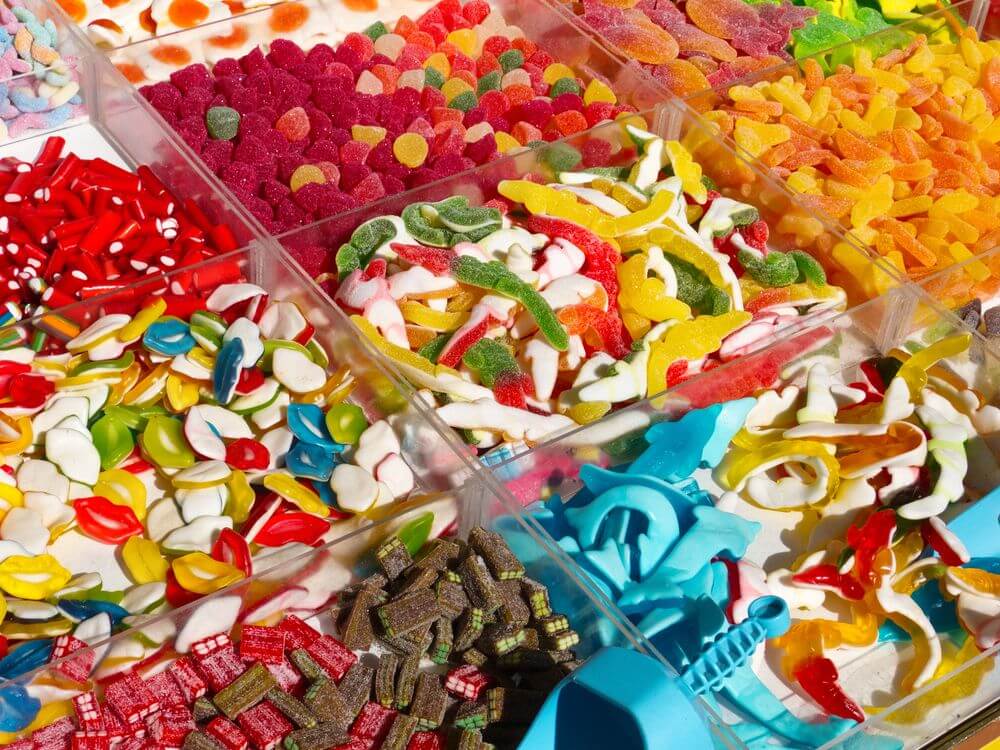
The allure of pick n mix isn’t just about choice—it’s rooted in psychology and biology. The act of selecting individual sweets triggers the brain’s reward system, releasing dopamine as we anticipate the variety of flavours and textures. This phenomenon, known as the *variety effect*, explains why a handful of mixed sweets feels more satisfying than a single type. Confectioners exploit this by designing pick n mix displays with contrasting colours and shapes, which subconsciously signal diversity. For retailers, arranging sweets by flavour intensity (e.g., sour on one side, sweet on the other) can guide customers toward balanced selections, reducing the likelihood of flavour fatigue mid-bag.
Texture plays an equally critical role. Studies in sensory science show that people crave a mix of chewiness, crunch, and creaminess in a single snacking session. A pick n mix that includes jelly sweets, hard-boiled candies, and chocolate-covered items satisfies this need, making it more addictive than homogeneous options. Brands like Swizzels Matlow capitalise on this by offering *texture-themed* mixes, such as their 'Chewy & Crunchy' range. For home enthusiasts, creating a DIY pick n mix with at least three distinct textures—like foam bananas, sherbet lemons, and peanut brittle—can elevate the experience beyond a simple sugar rush.
Vegan Sweets: Decoding Labels and Avoiding Common Pitfalls
The rise of vegan sweets has introduced a new layer of complexity to confectionery shopping. Unlike traditional sweets, which rely on gelatin (derived from animal collagen) for chewiness, vegan alternatives use plant-based gelling agents like pectin, agar-agar, or carrageenan. However, not all substitutes are created equal. Pectin, for example, is derived from fruit and works best in jellies and gummies, but it can impart a slight tartness that alters the flavour profile. Agar-agar, made from seaweed, creates a firmer texture that some consumers find less appealing than gelatin-based sweets. When sourcing vegan sweets, look for brands that specify their gelling agent on the packaging—companies like Jealous Sweets and Candy Kittens are transparent about their ingredients, helping buyers make informed choices.
Another common pitfall is assuming that ‘vegan’ automatically means ‘healthier’. Many vegan sweets contain high levels of sugar or artificial sweeteners to compensate for the lack of gelatin’s binding properties. Some brands also use modified starches to improve texture, which can leave an aftertaste. For those avoiding additives, seek out sweets sweetened with fruit juices or natural syrups, such as agave or coconut sugar. Retailers can cater to this audience by offering a ‘clean label’ vegan section, clearly separating sweets with minimal ingredients from those with artificial additives. Additionally, be wary of cross-contamination—some vegan sweets are produced in facilities that also handle dairy or gelatin, which may be a concern for strict vegans or those with allergies.
Retro Sweets: How Nostalgia Drives Modern Sales
Retro sweets aren’t just a fad—they’re a powerful marketing tool that taps into collective memory. Brands like Barratt and Bassett’s have successfully revived classics like Sherbet Fountains and Liquorice Allsorts by positioning them as ‘limited-edition’ or ‘throwback’ products. This strategy works because nostalgia triggers emotional connections, making consumers more likely to purchase—and pay a premium—for sweets associated with their childhood. Retailers can capitalise on this by rotating retro stock seasonally, tying them to specific events (e.g., ‘Back to School’ packs with Space Dust or ‘Christmas Puds’ with chocolate coins).
The key to selling retro sweets lies in storytelling. Packaging that includes fun facts (e.g., ‘First sold in 1953!’) or vintage-inspired designs can enhance their appeal. For example, Swizzels Matlow’s retro range features original artwork from the 1970s, which resonates with older consumers while intriguing younger buyers. Another effective tactic is bundling retro sweets with modern favourites in ‘generation gap’ gift boxes, encouraging shared experiences between parents and children. However, not all retro sweets translate well to modern tastes—some, like aniseed balls or Pontefract cakes, have polarising flavours. Retailers should test demand with small batches before committing to large orders, and consider offering ‘taster packs’ to gauge interest.
The Business of Confectionery: Trends Shaping the UK Market
The UK confectionery market is evolving beyond traditional sweet shops, driven by e-commerce and shifting consumer habits. Online retailers like Sweets UK have thrived by offering subscription boxes, where customers receive curated selections monthly. This model works because it turns confectionery into an experience rather than a one-off purchase. Another growing trend is ‘build-your-own’ pick n mix, where customers select sweets online and receive them pre-packaged—a hybrid of convenience and personalisation. For brick-and-mortar stores, interactive displays (e.g., digital screens that suggest pairings) can replicate this experience, encouraging higher spend per customer.
Sustainability is also reshaping the industry. Consumers are increasingly seeking eco-friendly packaging, with some brands switching to compostable bags or reusable tins. Haribo, for instance, has introduced recyclable packaging for its pick n mix range, responding to demand for greener options. Another emerging trend is ‘functional confectionery’—sweets infused with vitamins, probiotics, or CBD. While still niche, these products appeal to health-conscious buyers looking for guilt-free indulgence. Retailers should monitor these trends closely, as they represent opportunities to differentiate from competitors. For example, offering a ‘zero-waste’ pick n mix station, where customers bring their own containers, can attract environmentally aware shoppers.
Hosting a Themed Sweet Tasting: A Step-by-Step Guide
A themed sweet tasting is a unique way to engage customers or entertain guests, blending education with indulgence. Start by selecting a theme that resonates with your audience—popular options include ‘Decades of Sweets’ (e.g., 1950s vs. 2000s), ‘Around the World’ (e.g., Japanese mochi vs. Italian torrone), or ‘Flavour Profiles’ (e.g., sour vs. sweet). For a ‘Decades’ tasting, curate a selection of 5-6 sweets per era, such as:
1950s: Sherbet Dips, Black Jacks, Fruit Salads
1980s: Pac-Man Gum, Refreshers, Double Lollies
2000s: Haribo Tangfastics, Maoam Stripes, Millions
Provide tasting cards with details about each sweet’s history, ingredients, and fun facts (e.g., ‘Black Jacks were originally called “Penny Chews”’). Encourage guests to rate each sweet on flavour, texture, and nostalgia factor, then discuss the results as a group. For a more interactive experience, include blind tastings or ‘mystery sweets’ to test participants’ knowledge.
Pair sweets with complementary drinks to enhance the experience. For example, serve cola with fizzy sweets to amplify the carbonation, or pair chocolate with coffee to highlight its richness. For a sophisticated twist, offer wine or craft beer pairings—dark chocolate works well with stout, while sour sweets complement citrusy IPAs. To elevate the event further, provide small take-home bags with the top-rated sweets, turning guests into potential repeat customers. Retailers can host these tastings in-store or virtually, using them as a tool to build community and drive sales.
Key Takeaways
Pick n mix selections thrive when curated by texture—pair chewy gummies with crunchy boiled sweets to elevate the sensory experience and prevent flavour fatigue during long snacking sessions.
Vegan sweets often rely on pectin or agar-agar instead of gelatin; check ingredient lists for 'vegan-friendly' labels, as some brands use fruit-based alternatives that alter sweetness profiles subtly.
Retro sweets like Flying Saucers or Space Dust regain popularity when marketed as 'limited-edition nostalgia'—rotate stock seasonally to create urgency and tap into generational memories.
Haribo’s dominance in the UK market stems from its consistent texture and flavour; when sourcing alternatives, prioritise brands that use citric acid for tang rather than malic acid, which can taste harsh.
Selection boxes sell best when themed by occasion (e.g., 'Movie Night Mix' with chocolate-covered raisins and fizzy cola bottles) rather than generic assortments—include a small scoop or tongs to enhance the gifting appeal.
Confectionery gifting works year-round by tying treats to micro-moments: 'First Day of School' packs with motivational notes or 'Rainy Day Survival Kits' with comforting flavours like vanilla fudge.
The Art of Pairing Sweets with Beverages: Beyond the Basics
Pairing sweets with drinks isn’t just about quenching a sugar rush—it’s about creating a harmonious balance that enhances both the confectionery and the beverage. The key lies in matching or contrasting flavour intensities, textures, and temperatures. For example, the sharp acidity of a lemon sherbet sweet cuts through the richness of a creamy hot chocolate, while the effervescence of a cola-flavoured candy amplifies the carbonation in a fizzy drink. Start by considering the dominant flavour profile of the sweet: fruity, chocolatey, sour, or spiced. Fruity sweets like Haribo Starmix pair beautifully with herbal teas (e.g., hibiscus or peppermint) or light sparkling wines, which complement their vibrant notes without overpowering them. For chocolate-based treats, opt for drinks with depth—think espresso, stout beer, or even a smoky whisky—to mirror the complexity of cocoa.
Temperature plays a crucial role in pairing. Cold drinks, such as iced coffee or chilled milk, can dull the flavours of delicate sweets like marshmallows or Turkish delight, while warm beverages like chai or mulled wine can soften hard candies (e.g., butterscotch or humbugs) and release their aromas. For a playful twist, try pairing fizzy sweets with still drinks (e.g., sherbet lemons with green tea) to create a sensory contrast. Retailers can leverage this trend by offering ‘pairing kits’—small bundles of sweets and complementary drinks (e.g., a bag of cola bottles with a mini bottle of craft cola) as gifts or tasting sets. For home enthusiasts, hosting a ‘sweet and sip’ evening with friends can turn a simple gathering into a memorable experience.
Confectionery for Special Diets: Navigating Allergens and Preferences
The demand for allergen-friendly and diet-specific confectionery has surged, but navigating this landscape requires more than just slapping a ‘free-from’ label on packaging. Common allergens in sweets include dairy, gluten, nuts, and soy, often hidden in ingredients like emulsifiers (e.g., lecithin) or flavourings (e.g., ‘natural extracts’). For those with coeliac disease or gluten sensitivity, even trace amounts of wheat can cause issues, so look for sweets certified ‘gluten-free’ rather than just ‘wheat-free’. Brands like NOMO and Free From Fellows specialise in allergen-free ranges, using alternative binders (e.g., rice flour) and dedicated production lines to avoid cross-contamination. When sourcing these products, retailers should prioritise suppliers with transparent allergen policies and third-party certifications (e.g., Coeliac UK or Allergy UK).
Beyond allergens, dietary preferences like keto, halal, or kosher add another layer of complexity. Keto-friendly sweets, for example, replace sugar with sweeteners like erythritol or stevia, but these can have a cooling effect or aftertaste. Halal and kosher certifications ensure sweets comply with religious dietary laws, which often involve restrictions on gelatin sources (e.g., beef vs. pork) and alcohol-based flavourings. Retailers can cater to these audiences by:
Segmenting displays: Create dedicated sections for ‘free-from’, ‘keto’, and ‘halal/kosher’ sweets to simplify shopping.
Educating staff: Train employees to explain ingredient differences (e.g., ‘This vegan gummy uses pectin instead of gelatin’).
Offering sampler packs: Small taster boxes allow customers to trial new products without committing to full-size bags.
For consumers, reading labels is critical—terms like ‘plant-based’ don’t always mean allergen-free, and ‘sugar-free’ doesn’t guarantee low-carb. When in doubt, opt for brands with clear, jargon-free packaging and accessible customer support.
The Psychology of Sweet Packaging: How Design Influences Purchases
Packaging is the silent salesperson of the confectionery world, shaping perceptions before a single sweet is tasted. Colour psychology plays a pivotal role: red (e.g., Haribo’s iconic bags) triggers excitement and urgency, while pastels (e.g., Candy Kittens’ packaging) evoke nostalgia and gentleness. For pick n mix, transparent bags or tubs allow customers to see the product, tapping into the ‘variety effect’ and increasing perceived value. Brands like Swizzels Matlow use bold, retro typography to reinforce their heritage, while newer players like Jealous Sweets opt for minimalist designs to signal premium quality. The tactile experience matters too—matte finishes feel more luxurious than glossy ones, and embossed logos (e.g., Lindt’s gold foil) add a sense of craftsmanship.
Shape and size also influence buying behaviour. Small, resealable pouches (e.g., Maoam’s ‘grab bags’) encourage impulse purchases, while larger, giftable boxes (e.g., Thorntons’ selection tins) justify higher price points. For retailers, the placement of packaging elements can guide decisions: eye-level displays with bright, contrasting colours attract attention, while ‘limited edition’ labels create urgency. Interactive packaging—such as QR codes linking to flavour stories or augmented reality games—can deepen engagement, especially with younger consumers. For example, a QR code on a retro sweet’s packaging could play a vintage advert, reinforcing the nostalgia factor.
Sustainability is reshaping packaging design, with brands increasingly using compostable materials or reusable containers. However, eco-friendly packaging must still perform its primary role: protecting the product and enticing buyers. Some brands, like Tony’s Chocolonely, use recycled paper with playful, hand-drawn designs to balance sustainability with appeal. For retailers, offering a ‘bring your own container’ scheme for pick n mix can reduce waste while fostering customer loyalty. The key is to align packaging with the brand’s identity—whether that’s playful, premium, or planet-friendly—while ensuring it stands out on crowded shelves.
1 followers

Comments
Sign in to join the conversation
No comments yet. Be the first to share your thoughts!