
## Quick Answer
ChatGPT Canvas is OpenAI's side-panel workspace for long-form writing and coding. Instead of scrolling a chat, you edit the document directly while ChatGPT suggests changes. By 2026 it has become the default mode for serious writing tasks on ChatGPT, with OpenAI reporting over 60% of Plus users interacting with Canvas weekly.
- Best for: writers, editors, developers, students - Pricing: Free (limited), Plus $20/mo, Pro $200/mo - Superpower: Targeted inline edits without regenerating the full response
## What Is ChatGPT Canvas?
Canvas opens a document or code editor next to the ChatGPT conversation. You can highlight a paragraph and ask for a rewrite, request inline comments, change reading level, shorten, lengthen, or debug — all without losing the rest of your work. It was released in October 2024 and became free-tier available in early 2025.
## Why Writers and Coders Are Using Canvas in 2026
OpenAI disclosed in a February 2026 DevDay recap that Canvas sessions average 4.2× longer than regular chat sessions — a strong engagement signal. A Poynter Institute survey of journalists found 41% prefer Canvas over Google Docs for AI-assisted drafting. In coding contexts, Canvas now supports Python execution inline, turning it into a mini Jupyter notebook.
## Top Use Cases and Features
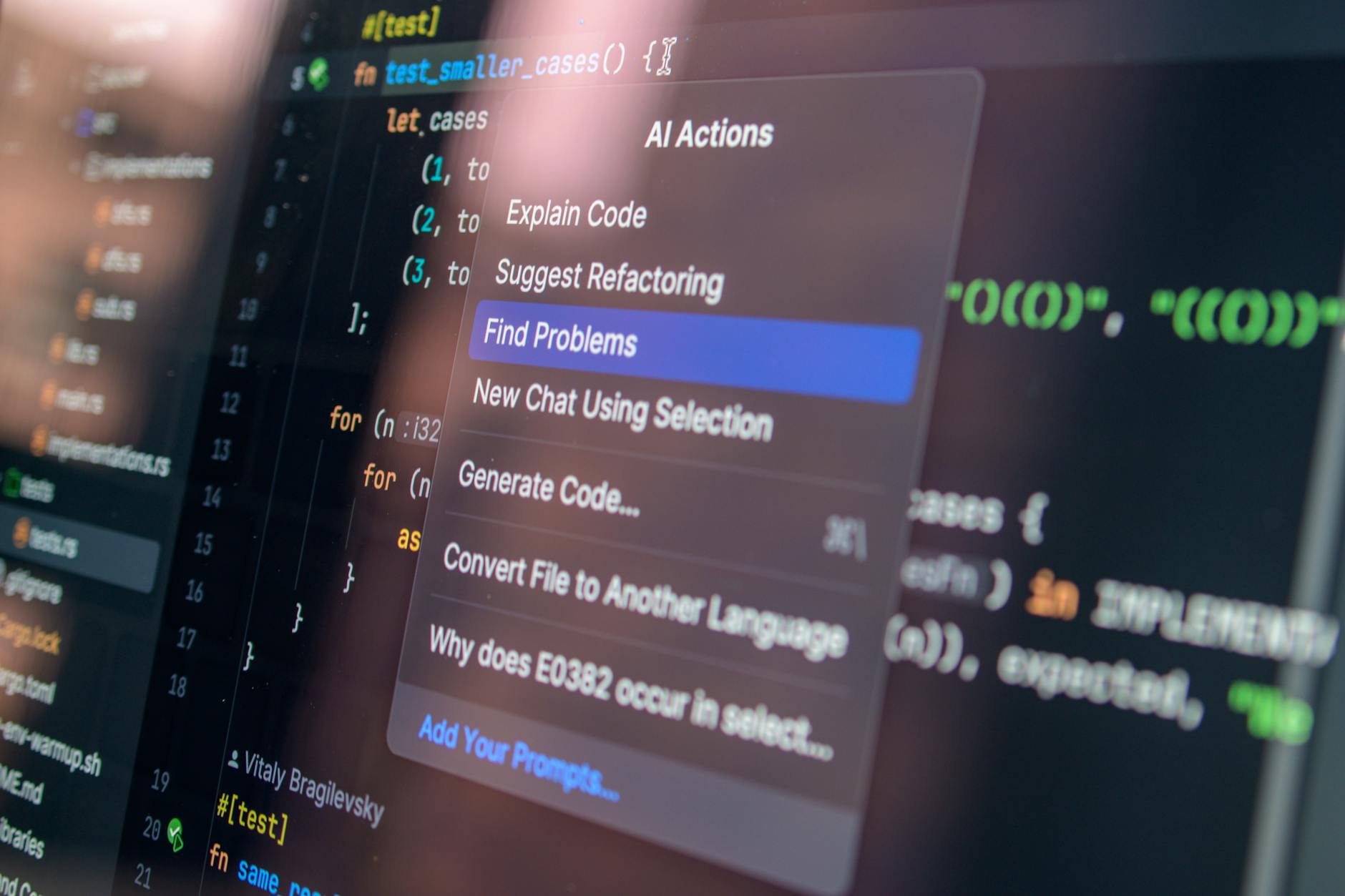
- Long-form article and essay drafting with inline edits - Code editing with syntax highlighting and Python execution - Reading-level adjustment (5th grade through PhD) - Targeted rewrites — select text, request change - Inline comments and suggestions before accepting - Version history with revert - Emoji, polish, length, and final-polish shortcuts
## Step-by-Step: Getting Started
1. Open ChatGPT and start a new chat 2. Ask for a document or code block — Canvas opens automatically for long outputs 3. Or explicitly prompt: "Open this in Canvas" 4. Highlight text and choose a shortcut (shorten, polish, translate) 5. Click a suggestion to accept inline 6. Use version history to revert mistakes 7. Export to Markdown or copy to your target app
## Top Integrations and Tools
| Integration | Purpose | Notes |
|---|---|---|
| Python | Code execution | Runs inline in Canvas |
| GPT-4o / GPT-4.5 | Model | Canvas works best on GPT-4o+ |
| Custom GPTs | Specialized flows | Canvas inside custom GPT |
| GitHub Copilot | Parallel coding | Many devs use both |
| Google Docs | Final polishing | Paste out when done |
## Pricing Breakdown
- Free: Canvas available, slower models, usage caps - Plus: $20/mo — GPT-4o, higher caps, priority access - Pro: $200/mo — unlimited GPT-4o, o1 and o1-pro, advanced tools - Team: $25/user/mo — admin, shared workspaces - Enterprise: custom — SOC2, SSO, data controls ## Conclusion
Canvas made ChatGPT serious about long-form work. If your workflow involves editing paragraphs or functions repeatedly, it pays for itself on day one.
Explore more at [misar.blog](https://www.misar.blog) for ChatGPT workflow deep dives.
ChatGPT's free tier still delivers serious value in 2026. Here's exactly what you get, the real limits, and how to maximize it daily.
Gmail’s sender guidelines aren’t just evolving—they’re tightening in ways that will reshape email marketing in 2026. If you’re still sending…

The best AI tools for writing investor updates in 2026 include those that assist with content generation, data analysis, and personalization…



Comments
Sign in to join the conversation
No comments yet. Be the first to share your thoughts!