
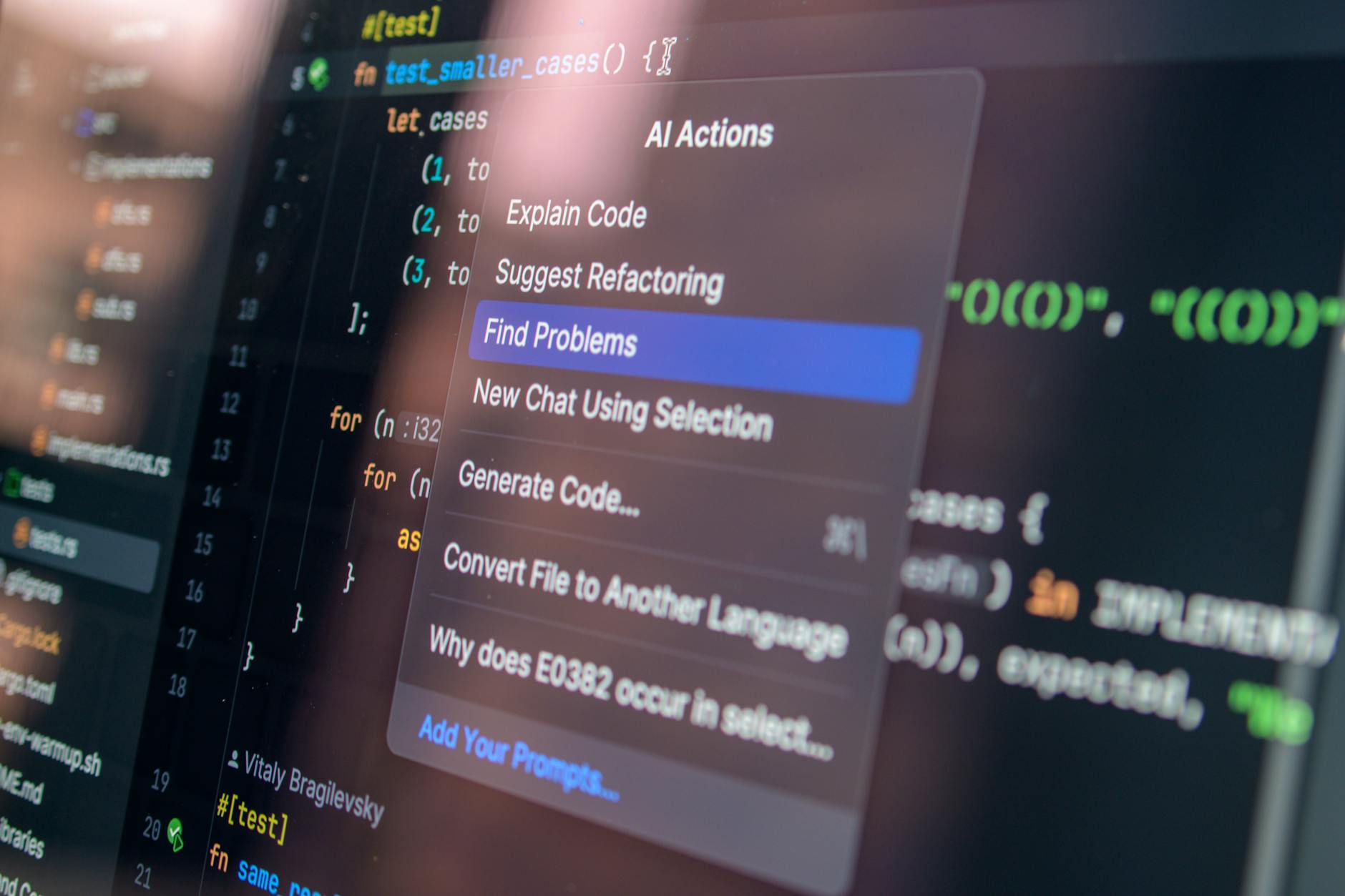
Asana's AI offering — now called Asana AI Studio (launched October 2024) and expanded with AI Teammates through 2026 — turns Asana's Work Graph (the relationship map of tasks, goals, people, and outcomes) into a generative engine. AI Studio lets teams build custom AI agents ("Teammates") that execute work — triaging requests, writing briefs, drafting status updates — without code. Asana AI ships with Enterprise and Enterprise+ plans; AI Studio is consumption-based on top.
Asana AI is built on the Asana Work Graph — a massive, real-time map of work relationships across every task, goal, and team. Generative features include Smart Goals (draft measurable goals from descriptions), Smart Summaries (summarize project threads), Smart Status (generate weekly executive summaries). AI Teammates go further — configured once, they perform repeating work like triaging intake forms, writing creative briefs, or updating stakeholders.
Forrester's 2026 Wave on Collaborative Work Management named Asana a Leader, specifically citing AI Studio's no-code extensibility. Gartner's 2026 Market Guide for CWM placed Asana in the top tier on AI maturity. IDC's 2026 PM tools AI tracker reports a 45% quarterly growth in AI-Teammate-active customers.
Asana's own 2026 customer data shows customers with AI Studio activated cut project administrative time by 30% on average.
| Plan | Monthly Price (billed annually) | AI Inclusion |
|---|---|---|
| Personal | Free | None |
| Starter | $10.99/user | None |
| Advanced | $24.99/user | Smart features (Goals, Status, Summaries) |
| Enterprise | Custom | Above + basic AI Studio |
| Enterprise+ | Custom | Full AI Studio + AI Teammates |
| AI Studio credits | Consumption | Per LLM step executed |
Credits are bundled with Enterprise+ and top-up-able.
Asana AI in 2026 is the most advanced no-code AI workflow builder in work management. If you're on Advanced or Enterprise+, build one Teammate this quarter — intake triage is the classic starter.
Explore more at misar.blog.
Gmail’s sender guidelines aren’t just evolving—they’re tightening in ways that will reshape email marketing in 2026. If you’re still sending…

Explore 2026 AI in healthcare statistics: adoption rates, ROI data, diagnostic accuracy, investment figures, and regional trends from WHO, M…

2026 AI customer service statistics: chatbot resolution rates, cost savings, CSAT scores, and automation ROI from Gartner, Salesforce, Zende…




Comments
Sign in to join the conversation
No comments yet. Be the first to share your thoughts!