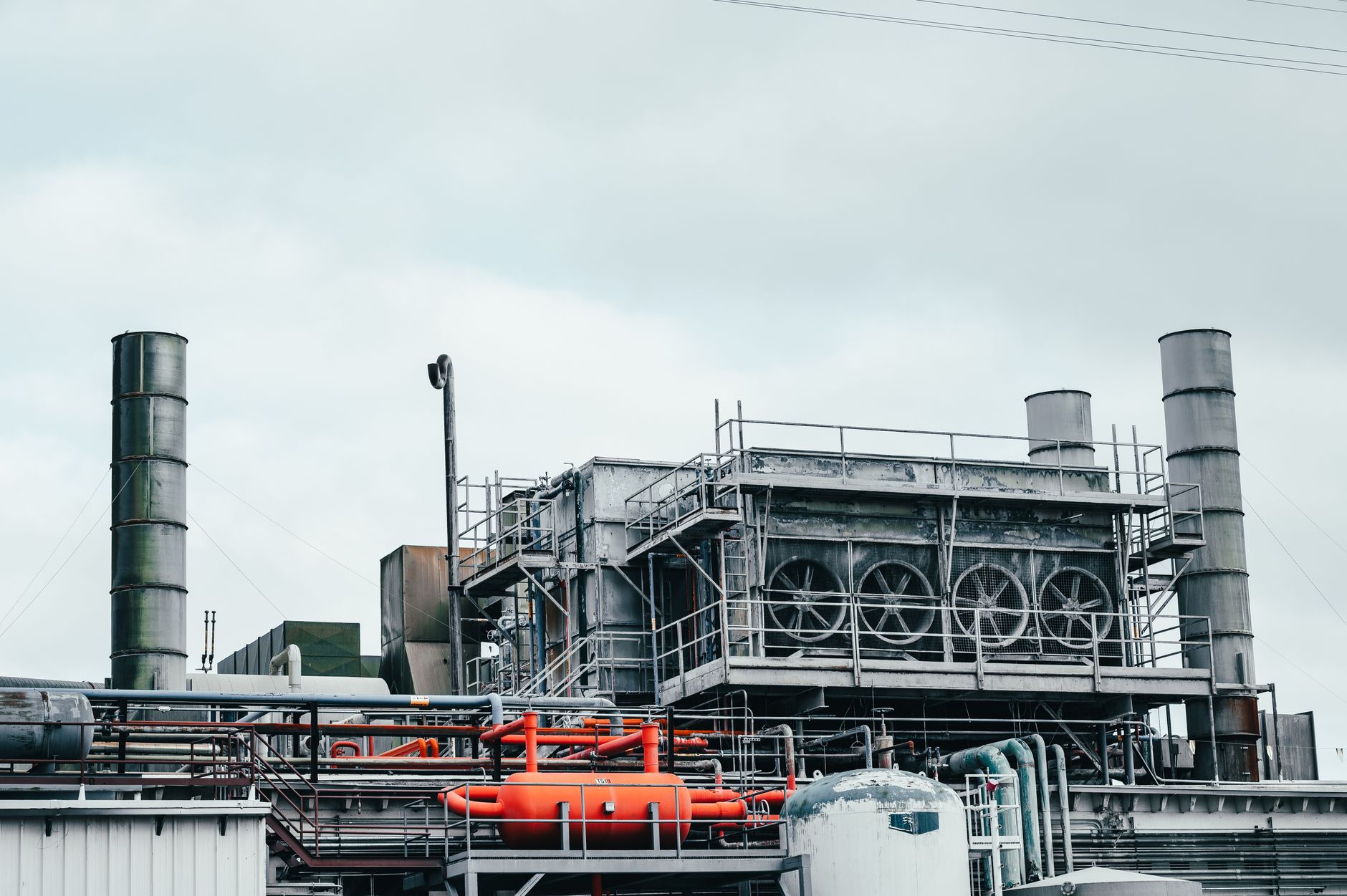
AI in manufacturing in 2026 drives predictive maintenance, automated quality control via computer vision, and digital twin simulation — delivering measurable productivity and quality gains.
Traditional maintenance is either reactive (fix when broken) or time-based (service every N hours). Both waste money — one causes unplanned downtime, the other replaces healthy parts.
AI predictive maintenance uses vibration sensors, temperature data, acoustic analysis, and historical failure patterns to predict exactly when a machine will fail — often weeks in advance.
| Provider | Specialty |
|---|---|
| Siemens MindSphere | Large industrial equipment |
| PTC ThingWorx | IoT + AI integration |
| GE Predix | Aviation, energy, rail |
| Augury | Purpose-built ML for machines |
| AWS Lookout for Equipment | Cloud-based, AI-first |
Case study: Pirelli deployed Augury across tire plants; reported $500K+ savings per plant annually from prevented breakdowns (published 2023).
Manual visual inspection is slow, inconsistent, and fatiguing. AI vision systems inspect every unit at production speed.
Typical deployments catch:
Leaders: Cognex, Landing AI (Andrew Ng's company), Instrumental, Keyence. Landing AI's Visual Inspection platform is used by Foxconn, BMW, and others.
A digital twin is a real-time virtual replica of a physical factory, machine, or process. AI uses sensor data to keep the twin synced, then simulates changes without risking production.
Use cases:
Market leaders: Siemens (Xcelerator), ANSYS, Dassault 3DEXPERIENCE, NVIDIA Omniverse Industrial.
McKinsey's 2024 report projects $250 billion in value creation from digital twins in manufacturing by 2030.
Beyond predictive analytics, manufacturers are using generative AI for:
Manufacturers report common challenges (Deloitte 2024 survey):
| Barrier | % Reporting |
|---|---|
| Data quality / integration | 58% |
| Skilled workforce shortage | 51% |
| ROI uncertainty | 44% |
| Legacy equipment connectivity | 39% |
| Cybersecurity concerns | 36% |
The path forward for most: start with one production line pilot, prove ROI, then scale.
AI in manufacturing in 2026 is past the hype stage — these are proven technologies delivering measurable ROI. Predictive maintenance saves millions in downtime. Vision inspection catches defects invisible to human inspectors. Digital twins de-risk major process changes.
For manufacturing leaders: Identify your highest-impact production line, pilot one AI use case (start with predictive maintenance for lowest friction), and expand based on documented ROI.
The AI Assistant Creator Economy Explained

By 2026, AI chatbots won’t just be tools—they’ll be revenue streams. If you’re a creator, coach, consultant, or small business owner, an AI…

The future of customer service isn’t being built in call centers alone—it’s being embedded directly into the products and workflows your Saa…









Comments
Sign in to join the conversation
No comments yet. Be the first to share your thoughts!