
My morning routine used to be coffee and dread. Now it's coffee and a stack of AI tools that have already cleared the runway by the time I sit down.
This isn't a list of the trendiest apps. It's the nine tools I genuinely open every single morning, in order, because each one removes a specific friction I used to face before 9am. Some are obvious. A couple might surprise you.
Let me walk you through the actual lineup.
My morning AI stack covers inbox, calendar, news, drafting, research, notes, automation, and planning with nine tools that together do roughly an hour of work before I start "real" work. None of them are fancy. All of them are habits. The trick isn't the tools, it's that they run in a fixed sequence so I never have to decide what's next.
Before I tell you the nine, here's the principle that makes them work.
I open them in the same order every day. No deciding, no willpower. The sequence is the system. A mediocre tool used consistently beats a brilliant tool used occasionally, and a fixed order removes the one thing that kills routines: the tiny decision of "what now?" That bias toward boring, reliable tools is the same conclusion I reached in my honest rundown of which AI productivity tools actually earn their keep, and work summarized by the Nielsen Norman Group on decision fatigue explains why removing those tiny choices matters so much.
So treat this less as a shopping list and more as a sequence you can copy.
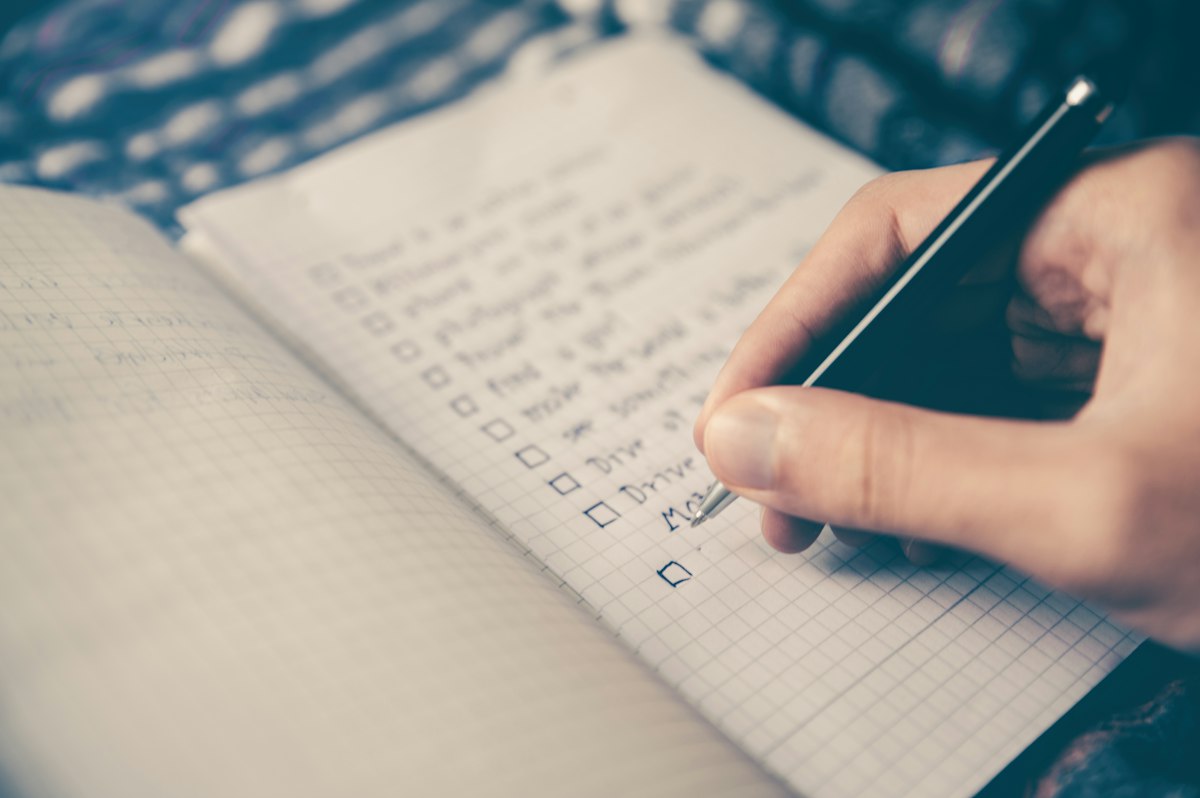
1. The inbox sorter. First thing, an email automation tool has already triaged my inbox overnight, grouping by urgency and drafting the easy replies. I approve, I tweak, I'm done in ten minutes. This one tool is where the email workflow that gave me back twelve hours a week started.
2. The calendar assistant. It reads my day, flags conflicts, and tells me which meetings could be an email. I've reclaimed hours by acting on that one nudge.
3. The news digest. An AI summary of my industry overnight, condensed to a five-bullet brief. No doomscrolling, no twenty open tabs. Just what changed while I slept.
Set up once, these three run mostly on their own — overnight, before I'm even awake. By the time I sit down, the inbox is sorted, the calendar is reviewed, and the news is condensed to five bullets waiting on my screen. That's the part people miss about a morning stack: the best tools do their work while you sleep, so the morning isn't about starting them, it's about reviewing what they already finished. These three remove the noise that used to swallow my first hour. And the noise is the real enemy of a good morning. It's not that the noise is hard work — it's that it's deciding work, dozens of tiny "do I care about this?" judgments that drain the exact mental energy you need for the day's real thinking. By the time I used to finish triaging, I was already tired and hadn't created a single thing. Letting AI handle the first pass means I arrive at the creative part of my day with my focus still intact. That's the hidden gift of these three: not minutes saved, but decisions spared.
4. The AI assistant for drafting. My workhorse. Any first draft starts here, from emails to outlines to the rough shape of a proposal.
5. The research tool. When I need facts, I ask something that pulls live sources and cites them. It saves me from the rabbit hole of fifteen search tabs.
6. The note-taker. It captures my morning brain-dump and turns scattered thoughts into a clean, structured list I can actually act on.
This middle trio is where the day's output begins. It's the difference between staring at a blank page and editing a decent draft. And editing is psychologically so much easier than creating. A blank page asks you to summon something from nothing, which is exactly when procrastination strikes. A rough draft asks you to improve something that already exists, which your brain treats as a far smaller, far less scary task. By the time I sit down each morning, the assistant has already turned several blank pages into rough drafts, and I get to do the part I'm actually good at: making them better.
A blank page is the enemy. A rough draft is a friend you can argue with.
7. The automation hub. It quietly moves data between my apps so I never copy-paste a form entry again. Set up once, runs forever.
8. The task prioritizer. It looks at everything on my plate and suggests the three things that actually matter today. I don't always agree, but the suggestion breaks my decision paralysis.
9. The end-of-morning review. A quick AI check-in that asks what I got done and what's still blocking me. It's a tiny ritual that keeps the morning honest.

One Monday I woke up to a small crisis. A client had emailed late Sunday, upset about a missed detail. Old me would've spent the whole morning in panic mode, re-reading threads, drafting and re-drafting an apology.
Instead, the inbox sorter had already flagged it as urgent and pulled the relevant thread. The AI assistant helped me draft a calm, specific reply. The research tool confirmed the facts I needed. I'd sent a thoughtful response and moved on before 9:30.
The stack didn't just save time that day. It saved me from spiraling. That's the underrated benefit of automation: it keeps you steady when you'd otherwise flail.
The nine tools didn't arrive all at once. They're the survivors of a much longer, messier list, and the cuts taught me more than the keepers.
I started, like most people, by adding. Every productivity newsletter recommended something, and I tried it. Within a couple of months my "morning routine" was a bloated parade of fifteen apps, half of which duplicated each other. Opening them all took longer than the work they were supposed to save. That's the trap nobody warns you about: a stack can get so big that maintaining it becomes the job.
So I ran a brutal cut. I asked of each tool: if I deleted this tomorrow, would my morning actually get worse? Six tools failed that test instantly. They were comfort apps, not useful ones — things I opened out of habit because the dashboard looked nice, not because they changed an outcome.
The ones that survived all shared a quality I now look for in everything: each removes a specific, repeated friction I'd otherwise feel before 9am. Not "helps me be productive" in some fuzzy way. A concrete pain, gone. The inbox sorter kills the sorting. The calendar assistant kills the conflict-hunting. The news digest kills the doomscroll. Specificity is the filter.
There's one more thing the cutting taught me. The order of the tools matters as much as the tools. I arranged them from "clearing noise" to "making things" to "keeping it running" on purpose, because that's the natural arc of a morning. You can't create well until the noise is cleared, and you can't sustain output without the background plumbing. A stack isn't a pile of apps. It's a sequence that mirrors how a good morning actually flows.
If your own routine feels heavy, the answer probably isn't a better tool. It's fewer tools in a sharper order.
If you want to build your own version, pick the single thing that steals your morning and try sequencing just three tools around it before you add a fourth.
Q: Isn't nine tools a lot to open every morning? It sounds like more than it is. Several run automatically and I just review output. The active part is maybe twenty minutes.
Q: Do you really use all nine daily? Yes, because they're sequenced into a habit. The day I skip the order is the day I forget half of them.
Q: What if I only want to start with one? Start with the inbox sorter. Email is where most people lose their morning, so the payoff is immediate.
Q: Won't this make me dependent on tools? You're already dependent on your inbox and calendar. This just makes the dependence work for you instead of against you.
Q: How long did this take to set up? A weekend, spread over a few sittings. The automation pieces took longest, but they're one-time costs.
Nine tools sounds like a productivity flex. It isn't. The real lesson is simpler: a small stack run in a fixed order beats a big stack run on willpower.
You don't need my exact nine. You need a sequence you'll actually follow, doing the boring work before your brain wakes up enough to resist it.
What's the first thing that steals your morning? Build your sequence to kill that first, and the rest gets easier.
One person, output that looks like five. It isn't about working more hours — it's about a kind of leverage teams rarely have.

One idea a week to a published issue in under an hour. The boring system behind a newsletter I never dread sending.

Behind a lot of lean, profitable companies is the same small stack of AI tools. Here's what's actually running the show.






Comments
Sign in to join the conversation
No comments yet. Be the first to share your thoughts!