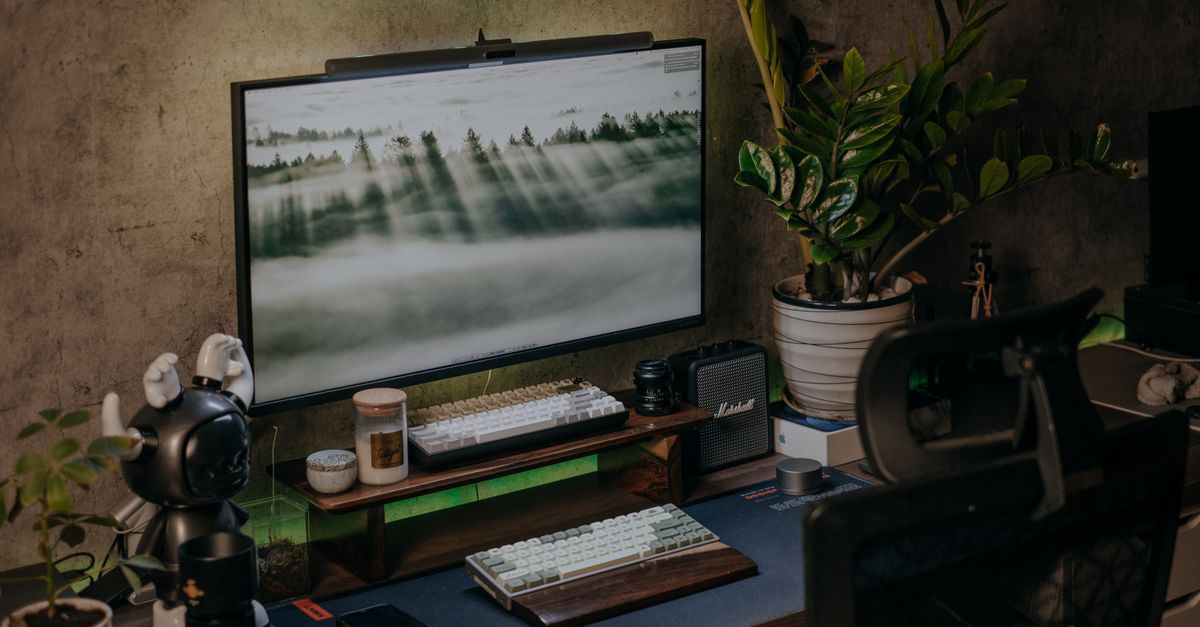
A year ago I used AI the way most people do: occasionally, randomly, and shallowly. I'd open an assistant when I remembered to, ask something half-formed, get something half-useful, and forget about it for a week.
Then I got deliberate. Not about the tools — about the habits. Five specific ways of using AI that I did over and over until they became automatic. By the end of the year, those five small habits had changed how I work, learn, and think more than any single tool ever could.
This isn't a list of apps. Apps come and go. These are the behaviors that kept paying off no matter which AI assistant I happened to be using.
The five habits: (1) draft with AI, never start from blank; (2) think out loud with it before deciding; (3) use it to learn faster by asking for maps and arguments; (4) automate the repetitive stuff once and reuse it; (5) always verify anything with a cost. None of these are about a specific tool. They're about treating an AI assistant as a constant thinking partner instead of an occasional gadget.
The blank page was where most of my time died. Starting is the hard part of almost everything — the email, the doc, the plan, the post. Once something exists, I can fix it fast. Creating from nothing is what drains me.
So I made a rule: I never start from blank. I describe what I need to an AI assistant, get a rough draft, and start editing. The draft is usually mediocre. Doesn't matter. Editing mediocre is ten times faster than facing the void.
This single habit gave me back more time than anything else. Not because the AI writes well — because it deletes the hardest moment, the start. Over a year, that's hundreds of avoided staring-at-nothing sessions. It's the most useful idea in the honest truth about AI productivity tools: the win is rarely the output itself, it's removing the friction around it. The Stanford HAI AI Index shows how broadly people have adopted these tools, but adoption isn't the same as benefit — the benefit comes from the habits, not the download.
I started using an AI assistant the way you'd use a smart friend over coffee — to think with, not to get answers from.
Facing a decision, I'd lay it out: here's the situation, here are my options, here's what I'm leaning toward, poke holes in it. The AI argues back, raises things I missed, and asks the questions I was avoiding. Not because it knows the answer, but because saying a problem out loud to something that responds clarifies it.
Half the time I make the decision myself, mid-conversation, because the act of explaining it untangled it. That's the real value. An AI assistant is a rubber duck that talks back, and talking it through is often the whole solution.
The point isn't that AI decides for you. It's that explaining your decision to it makes the answer obvious.
I used to learn new things slowly and randomly. Now I have a habit for it, and it's fast.
When I want to understand something, I ask the AI for the map first — the big picture, the key debates, what beginners miss. Then I ask it to argue both sides of anything important. Then I verify the parts that matter against real sources.
This turned learning from "wander through articles" into a process, the same one I broke down in how I turned AI into my research assistant. The map tells me what's worth knowing. The arguments build real understanding. The verification keeps me honest. I learned more this year than in several previous ones combined, and the habit, not any tool, is why.

This one compounds the hardest. Anytime I caught myself doing the same AI task more than twice, I stopped and made it reusable.
A prompt I kept rewriting became a saved template. A multi-step thing I did weekly became a small automation. The first time costs a little extra effort. Every time after that is nearly free.
Over a year, these stacked into a quiet machine running in the background of my work. The repetitive tasks that used to nibble my days — drafting the same kinds of messages, summarizing the same kinds of docs, the routine admin — mostly handle themselves now. That's automation working as it should: set up once, pay off indefinitely.
The mindset is the habit: never do a repetitive AI task twice without asking "can I make this reusable?"
There's a subtle trap here worth naming: the goal isn't to automate everything. It's to automate the boring things so you have more attention for the interesting ones. I went through a phase of trying to automate tasks that were actually fun or that benefited from my judgment, and the results were worse and the work felt hollow. The filter I settled on is simple — if a task is repetitive and low-judgment, automate it; if it's repetitive but needs taste, build a reusable starting point and finish it by hand. Get that line right and automation gives you back exactly the hours you'd want, without quietly hollowing out the parts of the work you'd actually miss.
The habit that kept all the others safe. AI is confidently wrong sometimes, in a smooth way that doesn't trip your alarm. So I built a reflex: if being wrong has a cost, I check.
A casual draft, no check. A number I'm about to publish, a fact I'll repeat, a decision riding on it — always checked, against a real source. This isn't paranoia. It's the difference between using AI as a tireless assistant and using it as a liability.
The people who get burned by AI aren't the ones who use it a lot. They're the ones who trust it on the stuff that matters without checking. This one habit is what let me lean on AI heavily and sleep fine.
| Stakes of being wrong | What I do |
|---|---|
| None (rough draft, brainstorm) | Trust it, move on |
| Some (internal doc) | Skim for obvious errors |
| High (published, decided, repeated) | Verify against a real source |
I want to dwell on the central claim, because it's the thing I'd tattoo on the inside of my eyelids if I could: bet on habits, not tools. A year of doing this taught me it the hard way.
Tools change constantly. The AI assistant I used in January wasn't the one I used by December, and next year's will be different again. If I'd built my entire approach around one product's specific features, I'd have to relearn everything every few months. Worse, I'd be at the mercy of whatever that product decided to become. Tying your productivity to a tool is building on rented land.
Habits sit one level up. "Never start from blank" doesn't care which assistant exists. "Think out loud before deciding" works with whatever can hold a conversation. "Verify anything with a cost" is timeless. Because the habits are about how I use AI rather than which AI, they survived every change underneath them. The tools churned; the habits compounded.
And compounding is the right word. A habit isn't a one-time gain — it's a small advantage you collect every single day, automatically, without spending willpower. The blank-page habit saved me a few minutes hundreds of times. The verification habit saved me from being wrong in public more than once. None of these felt big in the moment. Added up over a year, they reshaped my output more than any feature any tool shipped.
The mistake I see most people make is chasing the newest, shiniest AI tool while using all of them the same shallow way they always have. They upgrade the engine and never learn to drive. A mediocre tool used with great habits beats a great tool used with no habits, every time. So if you take one thing from this: stop asking "what's the best AI tool" and start asking "what's the best way to use the one in front of me." The second question is the one that pays off for years.
If you only do one thing, pick a single habit from this list and run it deliberately for a week — that's how the compounding actually starts.
Q: Which AI tool do these habits need? None in particular. That's the whole point. The habits work with any decent AI assistant. Tools change; the way you use them is what compounds. Bet on habits, not apps.
Q: Isn't habit one just letting AI write for you? No — it's letting AI start, then you finish. The editing is where your voice and judgment go. The draft just removes the blank-page wall. You're still the author.
Q: How long until these felt automatic? A few weeks each, done deliberately. The trick is repetition. I forced myself to use each habit even when I "didn't feel like it" until reaching for AI became the reflex instead of the afterthought.
Q: What if I only adopt one? Start with "never start from blank." It's the easiest to feel immediately and the one that gives back the most time. The others stack on top once that one sticks.
The tools weren't what changed my year. The habits were. Draft instead of starting blank. Think out loud before deciding. Learn through maps and arguments. Automate the repetitive once. Verify anything with a cost. Five small behaviors, repeated until automatic, quietly reshaped how I work.
Don't chase better AI tools. Build better AI habits. The habits outlast every tool.
Pick one of the five and run it for a week, deliberately, even when you don't feel like it. That's how a habit forms, and a year from now it's the habit, not the app, you'll be glad you kept.
I spent years saving the hardest task for when I 'felt ready.' Doing it first instead quietly fixed my focus, my dread, and my output.

I tracked every distraction for a week and was horrified by what I found. Then I fixed the three that mattered most.
I chased big, audacious goals for years and burned out every time. Then I built my whole life around wins so small they felt like cheating.








Comments
Sign in to join the conversation
No comments yet. Be the first to share your thoughts!