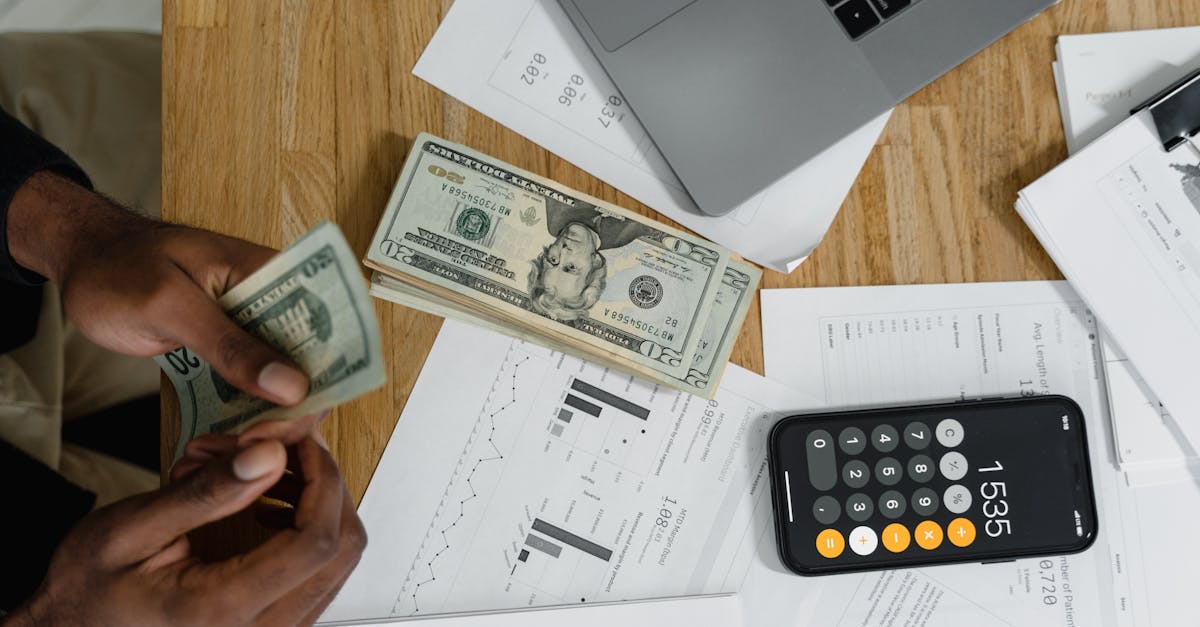
I lost a client last quarter. Not to a competitor, not to budget cuts. I lost them because I let an AI tool do something I should have done myself, and I didn't check its work.
It still stings to write that. I'd worked with this client for over a year. Solid retainer, easy relationship, the kind of account that quietly pays your rent. And I torched it in a single afternoon of overconfidence.
I'm telling you the whole embarrassing thing because the lesson cost me real money, and you can have it for free.
The mistake wasn't using AI. The mistake was treating AI output as finished work instead of a first draft. I sent a client a report built on numbers an AI had confidently summarized — numbers that were subtly, badly wrong. The fix is one rule: AI drafts, you verify, then it ships. Never the other way around. Speed is worthless if you ship something false.
The task was routine. Pull the quarter's performance data, summarize the trends, write up recommendations. I'd done it a dozen times.
This time I was slammed. So I dropped the raw data into an AI assistant and asked it to summarize the key movements and draft the narrative. Out came a clean, confident, professional-sounding report in ninety seconds. It read perfectly.
I skimmed it. It felt right. I added my logo and sent it.
The problem: the AI had misread one column and reported a 30% growth in a channel that had actually declined 12%. It then built a recommendation on top of that phantom growth — "double down here."
The client's analyst caught it in their Monday review. The conversation that followed was short and cold.

Here's the uncomfortable part. The report was more convincing because the AI wrote it.
The prose was polished. The structure was clean. There were no typos, no hedging, no "I think." That fluency tricked my brain into reading confidence as correctness. A messy human draft would have made me slow down and check. The clean AI draft made me speed up and trust.
Fluency is not accuracy. The most dangerous AI output is the one that sounds the most sure.
That's the real lesson of the whole story. AI tools are tuned to sound authoritative. They will describe a wrong number in the exact same confident tone they'd use for a right one. There's no wobble in the voice to warn you. Research from Nielsen Norman Group on how people read on screens shows we skim far more than we admit, and polished output makes that skimming even faster — exactly the wrong instinct when accuracy is on the line.
After I lost the account, I sat down and wrote a single rule on a sticky note. It's still on my monitor.
Never let AI touch a factual claim that I haven't independently verified.
In practice that turned into a short checklist I run before anything client-facing leaves my hands:
It adds maybe fifteen minutes per deliverable. That's the cheapest insurance I've ever bought. A lot of this comes back to giving the tool the right job in the first place — something I dig into in why your AI prompts keep failing, because a vague prompt is often what produces the confident-but-wrong answer to begin with.
I want to be clear: I did not quit using AI. That would be throwing out an excellent tool because I used it carelessly once.
AI still drafts my proposals, rewrites my clunky sentences, brainstorms angles, and handles the automation around scheduling and follow-ups. It probably saves me a full day a week.
The change is where I let it operate without a net.
| Task | AI runs free? | Why |
|---|---|---|
| Drafting copy & proposals | Yes | I read it anyway; low risk |
| Brainstorming angles | Yes | More options is pure upside |
| Email automation & scheduling | Yes | Mechanical, easy to verify |
| Summarizing data & facts | No | One bad number is catastrophic |
| Anything a client sees as truth | No | My name is on it |
The line is simple. Creative and mechanical work, AI can run ahead. Factual and reputational work, AI assists but I sign off.
I run a small group chat with other independent freelancers, and after my disaster I became the cautionary tale. Here's the advice I now give anyone who asks how to use AI without torching their reputation.
Decide the stakes before you start. Ask one question of any task: if this is wrong and a client sees it, how bad is it? Low stakes — let AI fly. High stakes — AI drafts, you verify. Most people never make this distinction explicitly, so they apply the same lazy trust to a throwaway email and a board-level report.
Build the verification into the workflow, not your willpower. I don't try to remember to check. I have a literal checklist that a deliverable can't pass without. Willpower fails when you're tired and rushed — which is exactly when the costly mistakes happen. A system doesn't get tired.
Never apologize for using AI; only for not checking it. Clients don't care that a tool helped you. They care that what you sent was true. Owning the tool openly while owning the verification fully is the professional posture. Hiding the tool and skipping the check is the amateur one.
Treat the first lost client as tuition, not a verdict. If you mess up the way I did, the worst thing you can do is swing to never using AI again. That just trades a reputation risk for a speed disadvantage. The right move is to keep the speed and add the net.
I lost real money learning this. You get it for the price of reading.

I didn't make excuses. I called, owned it completely, sent a corrected report and a partial refund for the quarter.
They were gracious but they didn't renew. Fair. Trust in this work is binary — either they can forward your deliverable without reading it first, or they can't. I broke that.
The strange upside: the rule I built from that loss has made every deliverable since more bulletproof. I've never sent a bad number again. An expensive lesson, but it took.
There's a calculation I do now before every deliverable, and it reframed how I think about speed entirely.
A single bad deliverable can undo a year of good ones. That's the brutal asymmetry of reputation in freelance work. Clients don't average your output — they remember the worst thing you sent and decide whether they can trust you. Twenty flawless reports build a relationship. One confidently-wrong report can end it, the way mine did. The downside is wildly larger than the upside of being a little faster.
So when I'm tempted to skip the verification pass because I'm busy, I run the math out loud. Saving fifteen minutes today versus risking the entire account. Put that way, it's not even a decision. The fifteen minutes always wins, every single time, because the thing it protects is the only asset that actually keeps me employed.
Speed impresses a client once. Reliability keeps them for years. When they conflict, reliability has to win.
This is the part younger freelancers get backwards. They compete on being fast and cheap, racing to the bottom. The freelancers who last compete on being trustworthy — the person whose work you can forward without reading first. AI tools can make you faster. They cannot make you trustworthy. Only your verification habit does that, and it's the one thing you can't outsource to a model. If you want the wider view on which AI habits actually hold up under real work, I laid it out in the honest truth about AI productivity tools.
Looking back, the specific danger that got me deserves its own warning, because it's getting worse, not better, as AI tools improve.
The better these tools get at sounding right, the more dangerous their occasional wrongness becomes. A clumsy tool that produced obviously-rough output kept you alert. A tool that produces flawless, executive-ready prose lulls you into trust. The quality of the presentation has raced ahead of the guarantee of the accuracy, and that gap is exactly where reputations die.
I now treat polish as a yellow flag, not a green one. When an AI hands me something that looks immediately perfect, that's precisely when I slow down and check hardest, because perfect-looking is the disguise a confident error wears. The rough draft warns you to check it. The beautiful one doesn't. Guess which one bit me.
Q: Isn't the real fix just "don't use AI for data"? No. AI is genuinely great at summarizing and drafting from data — it just can't be the final check. Use it to go fast, then verify before it ships. Banning it costs you the speed for no reason.
Q: How do you catch AI errors without re-doing all the work? You don't re-do everything. You spot-check the load-bearing claims — the numbers and facts a decision rests on. Those are usually few. Verify those hard.
Q: Did the client know you used AI? They figured it out from the error pattern. Honestly, clients increasingly assume you use AI tools. What they don't forgive is you not checking it. The tool isn't the betrayal; the carelessness is.
Q: Has this made you slower? Slightly, on the final mile, and much faster everywhere else. Net, I'm well ahead. The fifteen-minute verification pass is nothing next to losing a year-long account.
AI didn't lose me the client. I did, by confusing a confident draft with a finished fact.
If you take one thing from my expensive afternoon, take this: let AI draft anything, but verify everything it states as true before your name goes on it. The tool is fast. Your reputation is slow to rebuild.
What's the one deliverable you're currently trusting an AI with that you haven't actually checked, line by line?
Behind a lot of lean, profitable companies is the same small stack of AI tools. Here's what's actually running the show.

I went from 200 to 11,000 subscribers without hiring anyone. AI didn't write my newsletter — it did everything around it.

I chased big, audacious goals for years and burned out every time. Then I built my whole life around wins so small they felt like cheating.










Comments
Sign in to join the conversation
No comments yet. Be the first to share your thoughts!